
Humphreys County Arrest Warrants Explained
Tennessee Rule of Criminal Procedure 4 sets the machinery in motion. A sworn complaint or affidavit goes to a judicial officer. That officer weighs probable cause and chooses between an arrest warrant and a summons. The legal call belongs to the court, not to a website or a private search result. In Humphreys County, the paper trail splits by severity. Felony files run through Circuit Court and its clerk, while General Sessions handles lower criminal and traffic matters. HCSO or another authorized agency may serve the process. The county publishes no local warrant form and no public case-status search.
Humphreys County Probable-Cause Review
Rule 4 begins with sworn information. A magistrate or other authorized judicial officer examines it. From there, the officer may issue a warrant or a summons. Tennessee Code sections 40-6-203 through 40-6-208 govern that examination and what the warrant itself must contain, and that state framework controls the local process too, though Humphreys County publishes no warrant-number format of its own. A Rule 9 capias is a different animal. It can follow an indictment or presentment, and it should not be mistaken for a fresh arrest warrant built on a complaint, or for a bench warrant after a missed court date. Ask the clerk which process your file actually names. County materials do list Circuit Court and General Sessions as separate criminal routes. They publish no local magistrate roster and no warrant application form. For a specific case, work with the court named on the paper. The clerk can tell you whether a public docket entry exists.
Inside a Humphreys County Arrest Warrant
Tennessee law lets a Humphreys County warrant carry a core record: the defendant, the county, the issuing authority, the charge, the sworn complaint or affidavit, and the command to appear or be arrested. The file may go further. It can name the case, the issue date, the serving agency, the return, and release terms. A clerk may keep the affidavit or investigative material off limits.
| Process number | Ask whether the court uses a case or warrant number; no local pattern was published. |
|---|---|
| Named person | Identity fields may be limited or redacted in a public copy. |
| Charge | Offense stated in or linked to the complaint or affidavit. |
| Issuing authority | Magistrate or court that authorized the process. |
| Bond terms | Set for the individual matter; no countywide schedule was located. |
| Issue and return dates | Ask what appears in the existing court record and whether service was returned. |
A public charge does not mean the affidavit is public too. A Humphreys County court can release a docket entry while holding back protected supporting papers. Ask the clerk what restriction applies. She can tell you whether a redacted copy or another public portion is open for inspection.
Humphreys County Arrest Warrant Access Limits
A public docket entry does not guarantee that every supporting affidavit is open. Tennessee Supreme Court Rule 34 permits access to court records subject to statutes, court rules, and orders, so juvenile files, sealed material, protected personal information, and active-investigation records may be withheld or redacted. Ask what rule supports a restriction in Humphreys County and whether a non-exempt portion exists. The Rule 34 access page sets out the official public-access rule for court records.
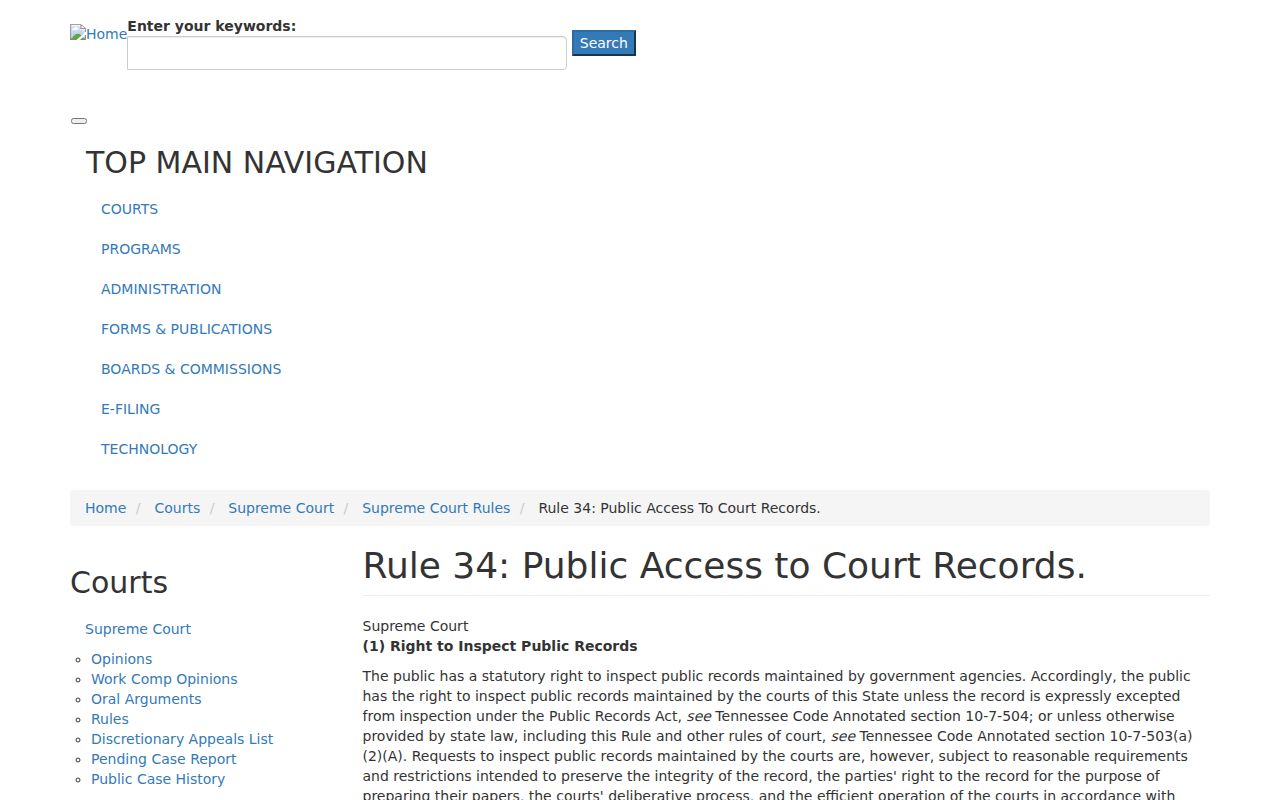
A clerk may confirm a status without releasing the full affidavit. Rule 34 is a framework, not a promise. A sealed order, statutory exception, or active-investigation restriction can cover part of the file. Ask for the specific basis. Do not treat a partial response from a Humphreys County court as the complete case history.
Serving Arrest Warrants in Humphreys County
HCSO is the published law-enforcement contact for Humphreys County. City police may handle city process, and the court can assign other authorized officers. No warrant unit, county marshal, or dedicated service line appears on the official pages. Ask the issuing court which agency holds the process rather than assuming the sheriff is the only one serving it. After service, the person goes before the proper court. There, a judge takes an appearance and makes a release decision. Booking is not a court-file update. Release on bond does not end the underlying case. The officer's return, the court status, and the next hearing are three separate facts to confirm. Ask which agency received the signed process. Ask whether a return has been filed with the issuing clerk. If the person is already in custody, HCSO's general number can route a custody question, though the jail-control extension is not published as an independent warrant-status line.
Humphreys County Has No Public Warrant Unit Line
HCSO publishes 931-296-2301 and a general contact directory for Humphreys County. Extension 160 reaches the jail control room. The listing does not say it confirms warrants, schedules surrender, or sets bond. So do not call it a warrant line. Ask the main office for the right contact and the correct court file. The sheriff's homepage also links to booking information and a mobile app. The app page describes alerts and agency connection, not a warrant lookup. A custody display can answer a current booking question, but it cannot clear an unserved process or a city-court record.
Comparing Arrest, Summons, and Bench Warrants
Three labels do three different jobs. A summons asks you to show up; an arrest warrant sends an officer to take you in; a bench warrant answers a missed court date. The label tells you which Humphreys County court and record to ask about. The bench-warrant page walks through the missed-date route.
| Feature | Arrest Warrant | Summons | Bench Warrant |
|---|---|---|---|
| What It Orders | Arrest and appearance before court | Appear at a stated date or time | Arrest or other action after a missed duty |
| Basis | Probable cause after complaint or affidavit | Court's choice under the process rules | Failure to appear or comply |
| Who Issues It | Authorized magistrate or judge | Authorized court process | The court handling the existing case |
| How to Respond | Confirm with court, counsel, and serving agency | Appear as directed | Ask issuing court about reset or recall |
Humphreys County Federal Arrest Warrants Use Another Court
Humphreys County sits in the Middle District of Tennessee, but a federal warrant answers to the court named in the federal file, not to any county office. Nationwide docket access runs through PACER, which charges per page under its fee rules and shows the federal portal itself rather than a Humphreys County record. It is not a complete public warrant list, and sealed entries may not display. CourtListener mirrors federal dockets but is not a government site, so it cannot confirm current status.
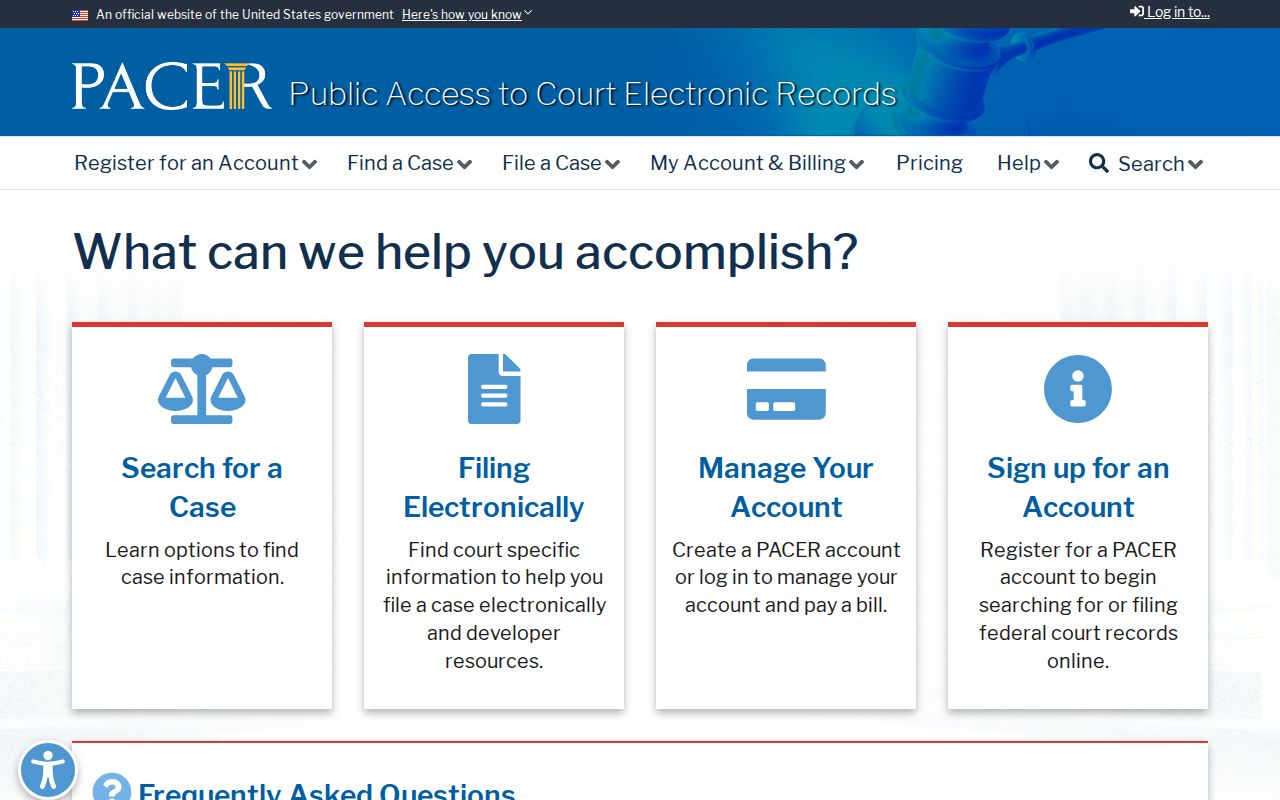
Confirm a federal process through its own court and the agency serving it. The federal case and issuing court govern the warrant even when service happens locally in Humphreys County. PACER fees may apply, and a sealed federal entry stays invisible to a public search. A county clerk cannot confirm a federal process for the district court.
Humphreys County Arrest Warrant Record Requests
When a phone call cannot settle the public status, point to a specific docket entry, warrant return, or court order and ask the issuing clerk how to inspect it. Tennessee Public Records Act requests reach existing records, subject to exceptions, but they never force a clerk to build a countywide warrant list that does not exist. Investigative files, sealed material, juvenile records, and protected personal information may be withheld or redacted, and a given court file may also fall under Tennessee Supreme Court Rule 34, so ask the office which access rule controls that file. The Humphreys County sheriff's public-records interface carries its own incompleteness warning and does not claim to include every arrest warrant. A clerk can sometimes identify a docket event even when the affidavit behind it stays restricted, so ask exactly what the office checked before you weigh the answer against any other search tool.
If There's an Arrest Warrant for You
Call the official numbers and nail down the court, the process number, the current status, and the one office that can change the record. Depending on the case, a lawyer may seek a recall or quash, arrange a surrender, or explain the bond and first appearance. Humphreys County publishes no standard surrender appointment, bond amount, or jail bond window. Never appear based on a third-party listing alone. Ask whether the paper is a Rule 4 arrest warrant, a Rule 9 capias, a bench warrant, or another order, then get the next court date and written proof after any step. Bond can secure release without resolving the charge. For anything serious or unclear, talk to a Tennessee attorney before you appear.
Important: Ask a Tennessee attorney about a safe lawful response before arranging surrender; HCSO does not publish walk-in or bond-window instructions.